
Blog Post
The Complete Guide to Checkout Optimization (Technical Edition): Speed, UX, and Trust Signals
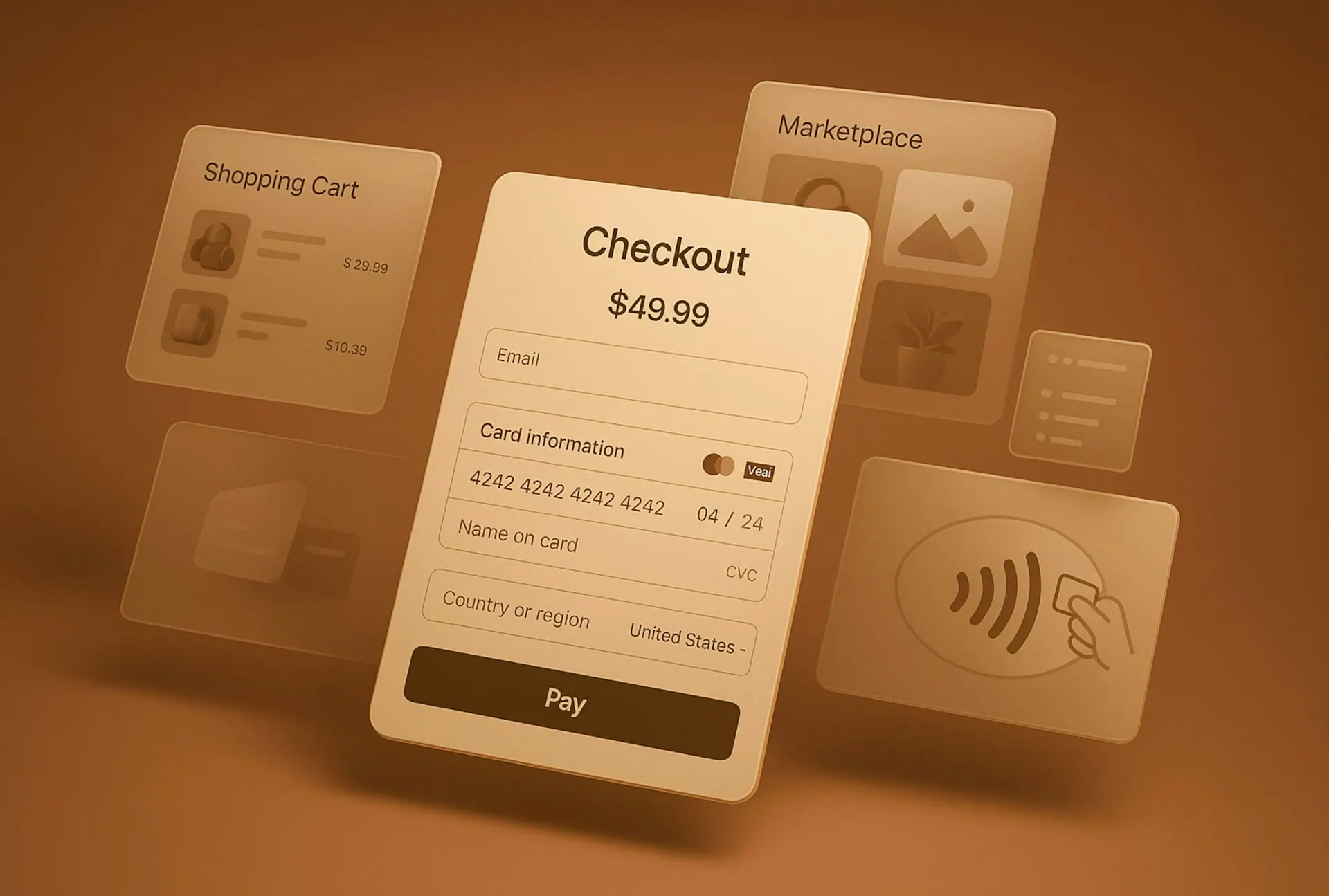
Checkout optimization isn’t “change the button color.” It’s an engineering + UX reliability problem:
- Speed: keep checkout TTFB + JS light; defer everything non-essential; cache what you can.
- Clarity: reduce decisions, make totals predictable, and surface errors before payment.
- Reliability: design for retries, idempotency, webhook lag, and payment edge cases (3DS, bank declines).
- Trust: security cues, transparent policies, and zero surprises (fees/taxes/shipping).
- Measurement: instrument every step with consistent IDs so you can see where revenue leaks.
Below is the playbook I use on MERN + Next.js stores when the checkout “works” but conversion is stuck.
1) Define the checkout funnel like an engineer (not a guess)
Before touching UI, write the funnel as events with a single correlation key.
Minimal event schema (what I implement on client projects)
Use a stable checkout_id (or cart_id) across client + server + payment provider.
checkout_viewedcheckout_startedaddress_submittedshipping_selectedpayment_method_selectedpayment_intent_created(orcheckout_session_created)payment_confirm_clickedpayment_succeededpayment_failed(include provider error code + user-facing reason)order_created
Required dimensions (don’t skip these)
checkout_id,user_id(nullable),cart_value,currencyshipping_country,shipping_methoddevice,browser,network_effective_typelatency_ms(server + client)payment_provider(stripe,paypal, etc.)error_code,decline_code(when relevant)
If you can’t answer “where exactly do users drop, and why?” you’re just making changes blind.
2) Performance: make checkout the fastest page on your store
Most stores optimize PDPs and collections, then ship a checkout page with:
- 9 third-party scripts
- no caching
- bloated JS bundles
- slow address/shipping APIs
Checkout must be treated like a critical path.
Performance budget (practical targets)
On 4G Android (realistic baseline):
- TTFB: < 300–600ms
- LCP: < 2.5s
- INP: < 200ms
- Total JS: keep as low as possible (often < 200–300KB gz for checkout route)
Tactics that actually move numbers
-
Defer non-essential scripts
- Move chat widgets, heatmaps, and “nice-to-have” pixels off checkout.
- Load analytics in a minimal mode and send server-side where possible.
-
Split the checkout route
- Dynamic import the payment UI (Stripe Elements/PayPal SDK) only when needed.
-
Cache shipping/tax estimates safely
- Cache rate tables and zones aggressively.
- Cache per-cart quotes briefly (30–120s) with a keyed hash (country/zip/cart-weight/cart-value).
-
Avoid blocking calls on first paint
- Render the skeleton immediately.
- Fetch “estimates” async and update UI without layout shift.
Next.js example: lazy-load payment UI
// app/checkout/payment-section.tsx
import dynamic from 'next/dynamic';

const PaymentWidget = dynamic(() => import('./stripe-payment-widget'), {
  ssr: false,
  loading: () => <div>Loading secure payment…</div>,
});

export function PaymentSection() {
  return (
    <section>
      <h2>Payment</h2>
      <PaymentWidget />
    </section>
  );
}
This alone often reduces main-thread work and improves INP.
3) UX: reduce decisions and prevent “surprise totals”
A high-converting checkout is boring, in a good way.
The UX rules I enforce
- No surprises: show tax/shipping as early as possible.
- Guest checkout is default: account creation is optional, post-purchase.
- Inline validation: don’t wait until “Pay” to tell users their address is invalid.
- Auto-fill support: use correct input types, autocomplete attributes.
- Fewer steps: but don’t hide critical info. One-page checkout is fine if performance is strong.
“Preventable error” checklist
These are common revenue leaks I fix:
- Address form rejects valid formats (Apt/Unit, local phone formats)
- Shipping options appear late or reset after edits
- Currency changes after shipping selection
- Coupon field causes UI jump / invalidates totals
- “Pay” button triggers multiple submits (double click)
- Error messages are generic (“Something went wrong”)
Make totals deterministic
In engineering terms: the client should never be the source of truth.
- Client can show estimates.
- Server returns authoritative totals.
- Payment intent/session is created only from server-calculated totals.
4) Trust signals: security is UX (and it’s measurable)
Trust is not just badges, it’s predictability.
Practical trust signals that convert
- Prominent refund/returns and delivery timeline links (not hidden in footer)
- Clear “Secure payment” microcopy near the card input
- Show company contact options (email/phone/WhatsApp) without clutter
- Use local payment methods where your market expects them
- Display final amount and currency right above the pay button
Don’t do this
- Add friction like forced signup
- Trigger popups during checkout
- Redirect users to suspicious-looking domains
5) Payment reliability: design for declines, SCA/3DS, retries, and webhooks
Checkout failures are often:
- bank declines (not “bugs”)
- 3DS flows
- timeouts / network drops
- duplicated requests
- webhook delays or missing events
Your job is to handle them cleanly.
The golden rule: idempotency on payment creation
If the user clicks “Pay” twice, you must not create two charges.
Express example: create a Stripe PaymentIntent with idempotency
import express from 'express';
import Stripe from 'stripe';

const router = express.Router();
const stripe = new Stripe(process.env.STRIPE_SECRET_KEY);

router.post('/api/checkout/create-intent', async (req, res) => {
  const { checkoutId } = req.body;

  // 1) Load cart + compute totals on server
  const cart = await Cart.findById(checkoutId);
  const totals = await computeTotals(cart); // tax + shipping + discounts

  // 2) Use a stable idempotency key per checkout attempt
  // If you allow updates (address/shipping changes), version it.
  const idemKey = `pi_${checkoutId}_v${cart.pricingVersion}`;

  const intent = await stripe.paymentIntents.create(
    {
      amount: totals.grandTotalCents,
      currency: totals.currency,
      automatic_payment_methods: { enabled: true },
      metadata: {
        checkout_id: checkoutId,
        pricing_version: String(cart.pricingVersion),
      },
    },
    { idempotencyKey: idemKey }
  );

  res.json({ clientSecret: intent.client_secret });
});
Webhooks: treat them like a message queue, not an API call
- Verify signatures
- Store every event with
event.id - Process asynchronously (BullMQ / worker)
- Make handlers idempotent
Stripe webhook verification (Express)
router.post('/api/webhooks/stripe', express.raw({ type: 'application/json' }), async (req, res) => {
  const sig = req.headers['stripe-signature'];
  let event;

  try {
    event = stripe.webhooks.constructEvent(req.body, sig, process.env.STRIPE_WEBHOOK_SECRET);
  } catch (err) {
    return res.status(400).send(`Webhook Error: ${err.message}`);
  }

  // Persist event.id first to dedupe
  const already = await WebhookEvent.findOne({ provider: 'stripe', eventId: event.id });
  if (already) return res.status(200).send('duplicate');

  await WebhookEvent.create({
    provider: 'stripe',
    eventId: event.id,
    type: event.type,
    payload: event,
  });
  await queue.add('stripe-event', { eventId: event.id });

  res.status(200).send('ok');
});
Handle failure states like an operator
When payment fails, you need:
- a clear user message (“Your bank declined the payment. Try another card.”)
- a retry path without losing cart
- a support path with a reference ID
Also: log and track decline codes. If 40% of failures are insufficient_funds, that’s not a dev bug. If you see authentication_required and your UI doesn’t handle 3DS, that is.
6) Make checkout debuggable: observability that connects UX → server → Stripe/PayPal
This is where most “optimized” checkouts still fail: you can’t reproduce issues.
What I add in the first 30 minutes
- Request ID middleware (server) + return it in response headers
- Structured logs with:
checkout_idpayment_intent_id/session_iduser_iderror_code+ stack trace
- A small dashboard:
- payment success rate
- time-to-pay
- top failure reasons
- latency percentiles
Minimum stack (works for small teams)
- Sentry (front + back)
- OpenTelemetry traces (optional but powerful)
- Uptime checks on critical endpoints
- MongoDB slow query profiling + indexes
7) Fraud & risk: don’t over-block real customers
Even if your topic is “checkout speed,” fraud rules affect conversion.
Practical approach:
- Use Stripe Radar / PayPal risk tools first
- Add simple rules based on:
- mismatched billing/shipping country
- velocity (too many attempts per IP/user)
- high-risk BIN ranges (provider tools help)
But avoid aggressive blocking without measuring false positives. “No COD above X” might improve fraud but can crush conversion in some markets.
8) A deployment-safe optimization process (so you don’t break revenue)
Here’s the flow I use to improve conversion without introducing checkout fires:
- Baseline metrics (7–14 days)
- Instrument funnel with stable IDs
- Ship 1–2 changes max per iteration
- A/B test where possible; otherwise use holdout windows
- Monitor error rate + payment success rate hourly for 48h after changes
Regression checklist (must pass before release)
- totals consistent (client estimate vs server final)
- coupons work
- shipping recalculations don’t double-charge
- duplicate submit protection
- webhook idempotency
- order created exactly once
9) My “Checkout Optimization” quick checklist (copy/paste)
Speed
- Remove/defer non-essential 3rd-party scripts on checkout
- Lazy-load payment widgets
- Cache shipping/tax configuration
- Reduce checkout JS bundle size
- Eliminate blocking API calls on first render
UX
- Guest checkout default
- Inline validation (address, email, phone)
- Early shipping + tax visibility
- Clear error states and retry path
- Prevent double submits
Reliability
- Server-calculated totals only
- Payment creation idempotency keys
- Webhook signature verification + event dedupe
- Async processing of webhook events (queue)
- Order creation idempotent and audit-logged
Trust
- Transparent delivery timeline + returns policy
- “Secure payment” microcopy near payment input
- Support contact visible with a reference ID
Closing: if your checkout “works” but revenue still leaks
If you want, I can run a checkout stabilization + optimization sprint:
- instrument your funnel end-to-end (client → API → Stripe/PayPal)
- fix the top drop-off points (speed + UX + payment reliability)
- deliver a prioritized backlog with measurable impact
Not a redesign, an operator-grade cleanup that makes the checkout predictable, fast, and debuggable.