
Blog Post
Building a High-Converting Product Page (PDP): The Engineering + CRO Playbook
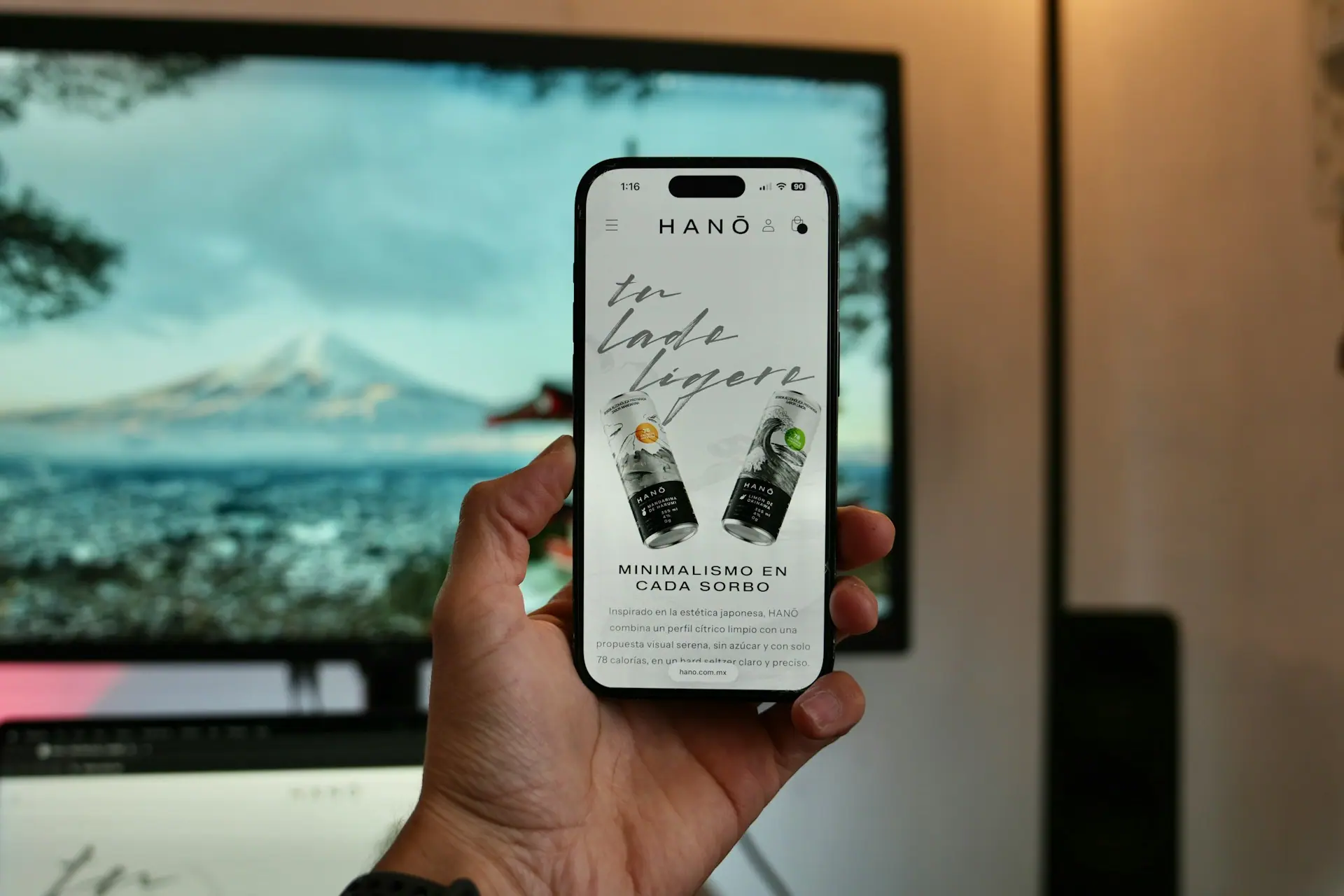
If your store is getting traffic but revenue feels “stuck,” the PDP is usually where the leaks are. Not because the design is ugly because the page isn’t engineered like a revenue-critical system.
A high-converting PDP is a performance + clarity + trust + frictionless purchase machine. And the best part: you can improve it without redesigning your entire site.
- Speed is a feature: target fast LCP, low CLS, and snappy INP, especially on mid-range mobile.
- Make the buy decision obvious: clear price, variant selection, delivery estimate, returns, and social proof.
- Engineer “truth”: the PDP must show accurate stock, pricing, and shipping, no surprises at checkout.
- Instrument everything: view → variant select → add to cart → checkout. If you can’t measure it, you can’t improve it.
- Ship improvements safely with feature flags, A/B testing, and guardrails (fallbacks + monitoring).
1) Treat the PDP like a product (not a template)
Most teams treat PDPs like a CMS page:
- “Just show product data.”
- “Add a carousel.”
- “Put reviews under the fold.”
But a PDP is where the user answers four questions:
- Is this for me? (fit, specs, usage, sizing)
- Can I trust it? (reviews, guarantees, real photos, policies)
- Can I afford it? (price, installment options, hidden costs)
- Can I get it soon and safely? (delivery ETA, returns, COD, support)
When conversion is low, it’s almost always because one of these questions is unanswered or answered too late.
2) The PDP tech stack that wins (MERN + Next.js)
In 2026, the best-performing headless PDPs usually look like this:
- Next.js (App Router) for SSR/streaming + great caching primitives
- Node/Express (or Next API routes) for commerce APIs
- MongoDB for catalog + variants (or a separate search/indexing layer)
- Redis for caching and rate limiting
- Queue (BullMQ) for heavy jobs (image processing, review sync, feed exports)
- CDN for images and static assets
Key principle: PDP needs fast initial render + accurate purchase state.
That usually means:
- Render core content server-side (product name, price, hero image, key bullets)
- Hydrate interactive parts (variant picker, add-to-cart, gallery) with minimal JS
- Keep “truth” (price, stock, shipping restrictions) validated server-side on add-to-cart
3) Performance budget: the CRO tactic engineers control
Before you tweak copy, fix performance. On ecommerce, performance gains compound:
- Faster PDP → more add-to-cart
- Faster cart → more checkout starts
- Faster checkout → fewer drop-offs
My PDP performance budget (practical)
- LCP: < 2.5s on real mobile (mid-range Android, 4G)
- CLS: < 0.1
- INP: < 200ms (variant change and add-to-cart must feel instant)
- JS: keep initial JS as low as possible; only ship what the PDP needs
Quick engineering wins
- Serve hero image in modern formats (AVIF/WebP), correct dimensions, priority load
- Eliminate layout shifts: reserve space for price, buttons, and images
- Lazy-load below-the-fold sections (reviews, related products)
- Avoid “one giant product JSON” client-side, fetch only what each section needs
Next.js hero image example
import Image from 'next/image';

export function ProductHero({ src, alt }: { src: string; alt: string }) {
  return (
    <Image
      src={src}
      alt={alt}
      width={1200}
      height={1200}
      priority
      sizes="(max-width: 768px) 100vw, 50vw"
      style={{ width: '100%', height: 'auto' }}
    />
  );
}
4) Data model: your PDP can’t convert if your data is messy
PDP UX issues often come from a weak product/variant model:
- price inconsistencies across variants
- “out of stock” only discovered at checkout
- missing attributes (size chart, material, dimensions)
- hard to show delivery estimates or shipping restrictions
Recommended MongoDB shape (simplified)
// products
{
  _id: ObjectId,
  slug: "classic-leather-bag",
  title: "Classic Leather Bag",
  descriptionMd: "...",
  bullets: ["Genuine leather", "Fits 15\" laptop"],
  images: [{ url: "...", w: 1200, h: 1200, alt: "..." }],
  brand: "AffordableBags",
  categoryIds: [ObjectId],
  attributes: {
    material: "Leather",
    warrantyMonths: 6,
    dimensionsCm: { w: 40, h: 30, d: 12 }
  },
  variants: [
    {
      sku: "CLB-BLK",
      optionValues: { color: "Black" },
      price: { currency: "PKR", amount: 12999 },
      compareAt: { currency: "PKR", amount: 14999 },
      inventory: { inStock: true, qty: 12 },
      shipping: { weightGrams: 900 }
    }
  ],
  seo: {
    title: "...",
    description: "...",
    canonical: "..."
  },
  updatedAt: ISODate
}
Indexes that matter
db.products.createIndex({ slug: 1 }, { unique: true });
db.products.createIndex({ 'variants.sku': 1 });
db.products.createIndex({ categoryIds: 1, updatedAt: -1 });
These prevent slow PDP loads and speed up related product queries.
5) Above-the-fold: engineer the “decision zone”
Above the fold is where users decide “continue” vs “bounce.” Don’t waste it.
What must be visible immediately
- Product title + key differentiator
- Price + discount clarity (not confusing)
- Variant selection (size/color) with clear availability
- Primary CTA: Add to Cart (and maybe Buy Now)
- Delivery estimate (even a range)
- Returns/guarantee summary
- Social proof summary (rating count)
Engineering notes
- Variant changes must be instant (prefetch variant price/stock)
- Disable CTA when variant not selected (but don’t block exploration)
- Show stock state without panic (“Low stock” only when truly low)
6) Add-to-cart is a mini checkout: make it reliable
A high-converting PDP can still lose money if add-to-cart is flaky.
Rules I implement
- Validate price + inventory server-side at add-to-cart
- Handle concurrency (two users buying last item)
- Make add-to-cart idempotent (avoid duplicate lines on retries)
- Return a deterministic cart state after write
Example: idempotent add-to-cart (Express)
import crypto from 'node:crypto';

app.post('/api/cart/items', async (req, res) => {
  const userId = req.user.id;
  const { sku, qty } = req.body;

  const idempotencyKey = req.header('Idempotency-Key') || '';
  if (!idempotencyKey) return res.status(400).json({ error: 'Missing Idempotency-Key' });

  const key = crypto
    .createHash('sha256')
    .update(`cart:add:${userId}:${idempotencyKey}`)
    .digest('hex');

  // If you have Redis:
  const existing = await redis.get(key);
  if (existing) return res.json(JSON.parse(existing));

  // 1) Fetch canonical variant data
  const variant = await findVariantBySku(sku);
  if (!variant?.inventory?.inStock) return res.status(409).json({ error: 'Out of stock' });

  // 2) Write cart item (transaction if you use inventory reservations)
  const cart = await addItemToCart({ userId, sku, qty, unitPrice: variant.price });

  // 3) Cache response for retry safety
  await redis.setex(key, 60 * 10, JSON.stringify(cart));

  res.json(cart);
});
This prevents “double add” issues from mobile retries or double taps.
7) Trust signals: ship them like features, not decorations
Trust is not just testimonials. It’s everything that reduces perceived risk.
High-impact trust blocks (practical)
- Clear returns/exchange policy summary
- Delivery/cash-on-delivery availability
- Warranty statement
- Real customer photos (UGC)
- Verified reviews (even if imperfect)
- Support channel + response time
Engineering detail: don’t tank performance
- Load review widgets and UGC after first meaningful render
- Cache review aggregates (avg rating, count)
- For third-party scripts: isolate and lazy-load; don’t block main thread
8) SEO + structured data (headless-friendly)
A converting PDP is great, but not if it’s invisible.
Must-have SEO elements
- stable canonical URL per variant strategy
- correct OpenGraph/Twitter tags
- server-rendered title/description
- internal linking (breadcrumbs, related products)
Product JSON-LD (minimal example)
<script type="application/ld+json">
  {
    "@context": "https://schema.org/",
    "@type": "Product",
    "name": "Classic Leather Bag",
    "image": ["https://cdn.example.com/p/clb/hero.webp"],
    "description": "Genuine leather bag that fits a 15-inch laptop.",
    "sku": "CLB-BLK",
    "brand": { "@type": "Brand", "name": "AffordableBags" },
    "offers": {
      "@type": "Offer",
      "priceCurrency": "PKR",
      "price": "12999",
      "availability": "https://schema.org/InStock"
    }
  }
</script>
If you have variant URLs, render schema based on the selected (or default) variant.
9) Analytics that actually helps revenue (event schema)
Most stores have “traffic” but no funnel clarity. Your PDP needs clean events.
Minimum event set
view_item(PDP view)select_item(variant change)add_to_cartview_cartbegin_checkoutpurchase
The key: consistent payloads
Use the same keys everywhere:
product_id,sku,variant,price,currencysource(organic, ads, email)experimentfields when running tests
Example client event helper
type PDPEvent = {
  event: string;
  product_id: string;
  sku?: string;
  price?: number;
  currency?: string;
  variant?: Record<string, string>;
  experiment?: { id: string; variant: string };
};

export function trackPdpEvent(payload: PDPEvent) {
  navigator.sendBeacon(
    '/api/events',
    new Blob([JSON.stringify({ ...payload, ts: Date.now() })], { type: 'application/json' })
  );
}
Then on the server, store raw events (append-only) and build funnel dashboards.
10) CRO experiments without breaking production
CRO is not “change random things.” It’s controlled iteration.
My safe experiment loop
- Pick one KPI (add-to-cart rate, checkout start rate, purchase rate)
- Define hypothesis (e.g., “Delivery ETA near CTA reduces uncertainty”)
- Implement behind a feature flag
- Assign variant deterministically (userId cookie hash)
- Instrument events with experiment id
- Roll out gradually and monitor errors + performance
Guardrails I always add
- If variant data fails → show default state and disable add-to-cart
- If pricing service is slow → fallback to cached price + “final at checkout” note (temporary)
- If reviews provider is down → hide reviews block, keep page fast
11) A practical PDP checklist (engineer-friendly)
Performance
- Hero image optimized + priority loaded
- No CLS from price/buttons/images
- Lazy-load reviews and related products
- Minimal JS shipped to PDP route
- Real-user monitoring (RUM) enabled for LCP/INP/CLS
Purchase reliability
- Server validates price + stock on add-to-cart
- Idempotency key supported
- Inventory race conditions handled (reservation or last-item protection)
- Errors are user-friendly and actionable
UX/CRO
- Clear variant selection + availability
- Delivery estimate + returns summary near CTA
- Trust elements visible without scrolling too much
- Benefits explained in bullets + specs available
- Social proof summary (rating + count)
SEO
- Canonical + meta tags server-rendered
- Product schema (JSON-LD)
- Breadcrumbs internal linking
Observability
- Sentry (frontend + backend) with release tracking
- API latency + error rate dashboards
- Alerts for add-to-cart failures and pricing mismatch
12) How I usually implement PDP improvements on client stores (fast)
If you want a practical plan you can ship in days (not months), this is the sequence I use:
- Baseline metrics: current PDP speed, add-to-cart rate, and top error paths
- Fix obvious performance blockers: images, JS bloat, layout shifts
- Stabilize add-to-cart: server-side validation + idempotency
- Add trust + clarity above the fold (delivery/returns/social proof)
- Instrument funnel events and create a dashboard
- Start small experiments (one change at a time)
If your PDP gets traffic but conversion is underwhelming, I can run a short PDP + checkout audit (performance, tracking, UX friction, and backend reliability) and give you a prioritized plan with engineering-level fixes. If you’re already “vibe-coding” changes and fires keep popping up, a 1–2 week stabilization sprint usually gets things under control fast.